Crowns & Bridges6 min read
Designing occlusion that arrives needing no chairside adjustment
How contact density, clearance mapping and a disciplined static/dynamic check remove the grinding appointment from single crowns and bridges.
How contact density, clearance mapping and a disciplined static/dynamic check remove the grinding appointment from single crowns and bridges.
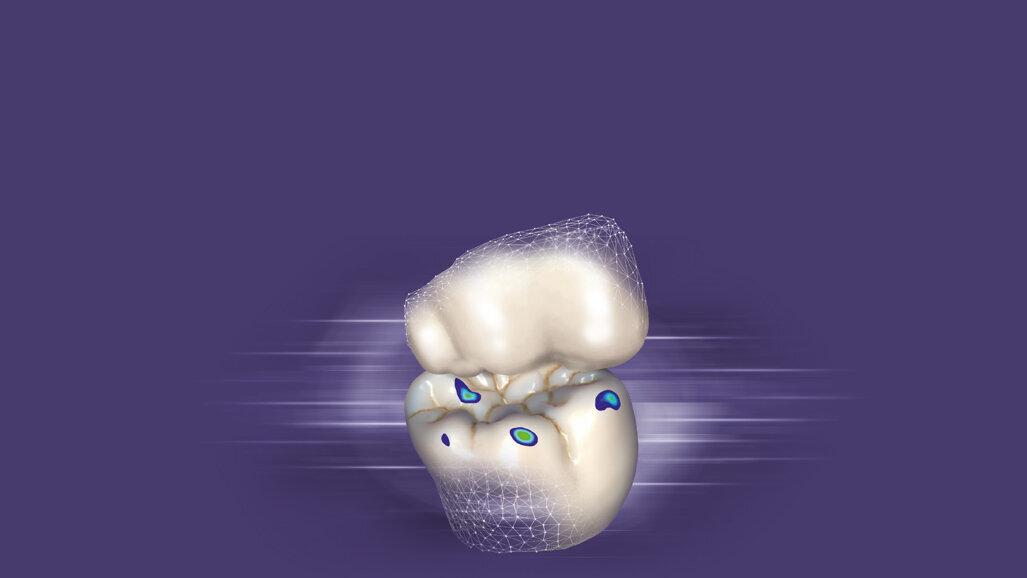
The single biggest hidden cost in restorative dentistry is chair time spent adjusting a restoration that was designed slightly hot. It is almost always a design decision, not a milling one.
We record your preferred contact density per case type and hold it constant across every unit. Light broad contacts for bruxers, tighter point contacts for aesthetic anteriors — set once, applied to every case that follows.
We validate maximum intercuspation clearance before any dynamic movement is simulated. If static is wrong, dynamic is theatre. Only then do we run protrusive and lateral paths, and clear interferences on the guiding surfaces rather than flattening the anatomy.
Every restorative case ships with a colour clearance map so your team can see exactly where contacts were intended — useful evidence if something needs discussion after seating.
Send us three crown cases. We design them free, in your preferred style, with a dedicated case manager on the thread. No card, no contract.